




The Nyeri National Polytechnic (NNP) has once again placed itself at the centre of Kenya’s TVET growth story after becoming the first TVET institution in the country accredited to offer Level 7 programmes.
For an institution that has built its name on setting the pace, the accreditation is more than a new academic label. It is a major step forward for students seeking advanced training that strengthens their skills, expands their career options, and keeps them competitive in a fast-changing job market.
The new status allows NNP to offer Level 7 (Higher Diploma) courses, creating a clear path for learners who want to progress beyond Level 6 without having to leave the TVET space.
Speaking after the announcement, NNP Chief Principal Dr. David Mwangi described the milestone as a strong endorsement of the institution’s standards and long-term focus on excellence.
“This is a proud moment for Nyeri National Polytechnic and for TVET in Kenya. Being accredited to offer Level 7 programmes shows that technical training can grow to higher levels while maintaining quality,” said Dr. Mwangi.
He added that NNP remains committed to delivering training that is both strong in standards and within reach for ordinary Kenyans.
“Our focus is to provide quality training that is affordable. We want our graduates to be well-prepared for work, for innovation, and for leadership,” he said.
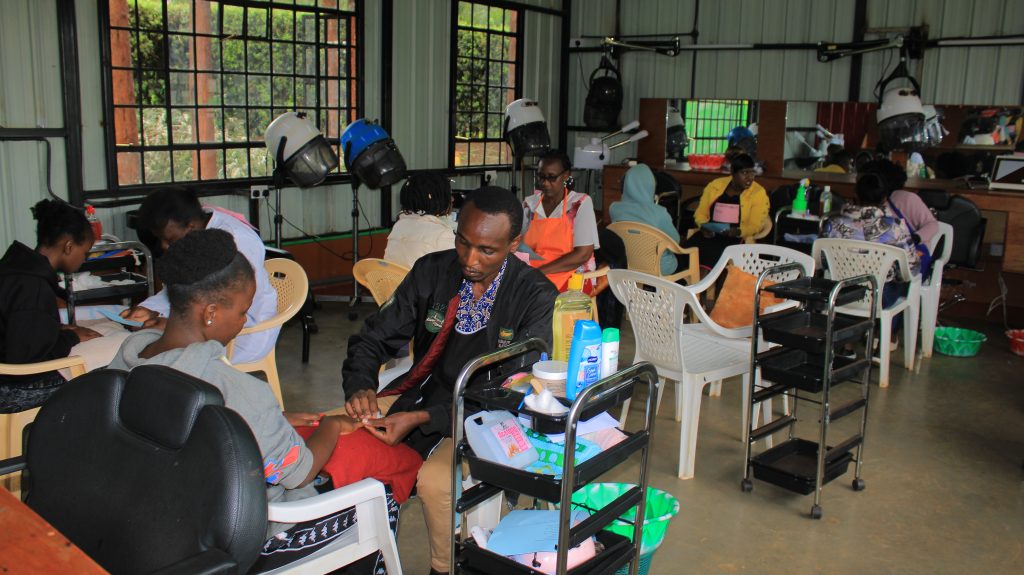
NNP’s latest achievement adds to a growing list of milestones that have made the institution stand out nationally.
Over the years, NNP has been known for pushing early into reforms and innovations that later gain wider acceptance across the TVET sector.
Among its most notable achievements, the institution was the first to roll out Recognition of Prior Learning (RPL), a system that helps people gain formal certification for skills they have acquired through work experience and real-life practice.
NNP was also the first TVET institution in Kenya to develop its own curriculum, which was later replicated across other national polytechnics. It is a record that continues to shape how training is delivered in institutions across the country.
For students, the move to Level 7 is significant. It means they now have a chance to pursue higher-level qualifications within a recognised TVET pathway, opening doors to better roles, improved confidence in the job market, and stronger professional growth.
It is also expected to boost the attractiveness of TVET among young people who want practical training, but also value academic progression.
NNP’s accreditation comes at a time when Kenya is placing renewed attention on TVET as a key driver of jobs, industrial growth, and self-reliance.
By achieving Level 7 status, NNP is not only lifting its own profile. It is raising expectations for what TVET institutions can deliver. And for Nyeri National Polytechnic, it appears this milestone is not being treated as an arrival point, but as a new beginning.
“We are building an institution that produces skilled graduates who can compete, adapt, and deliver. This accreditation motivates us to do even more,” said Dr. Mwangi.
With its sights now set on the future, NNP’s latest “first” is likely to shape conversations around quality, progression, and opportunity in Kenya’s skills training space for years to come.
© All rights Reserved 2026, The Nyeri National Polytechnic


